Gurugram, April 16, 2026.
Sunita
Devi, a housewife, loved cooking for her family. She could often be found in
the kitchen, peering into the daal to see if it was ready, waiting for just the
perfect moment to add tadka with red chillies, or patiently roasting the
brinjal on her stovetop for making bharta.
One day she
developed a cough that would not go away. Sunita tried everything -- cough
syrup, ginger tea, kaada -- but nothing made it better. Walking just a few
steps left her gasping, and even talking was tiring. Finally, her family took
her to hospital, and after a few tests, the doctor confirmed the grim prognosis
-- Sunita had very severe Chronic Obstructive Pulmonary Disease (COPD), and
suggested she go in for a lung transplant, a procedure in which a damaged lung
is replaced with a healthy one.
Medanta –
The Medicity, named India’s best
hospital by Newsweek in 2026, features a cutting-edge Institute of Lung
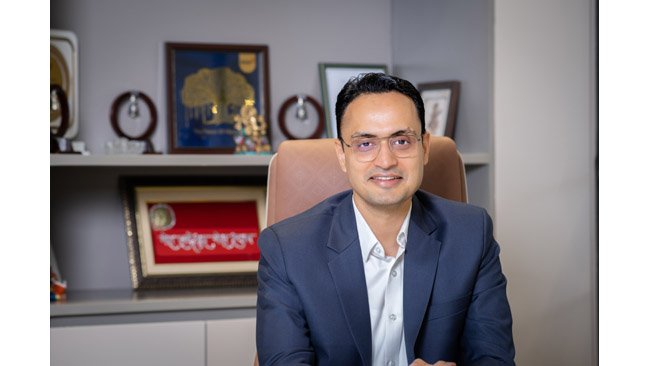
Transplantation with a multidisciplinary team of chest surgeons. Led by Dr. Arvind Kumar, Chairman, Institute of
Chest Surgery, Medanta, the team practices a multimodal approach that
offers comprehensive care to the patient, right from initial assessment to
post-transplant treatment and rehabilitation.
A lung
transplant is often the final option for people suffering from end-stage lung
diseases such as very severe I.L.D. (Interstitial Lung Diseases), COPD, cystic
fibrosis, or pulmonary arterial hypertension -- those patients whose lungs can
no longer support normal life.
Dr. Arvind Kumar, Chairman, Institute of Chest Surgery,
Medanta, said, “End-stage
lung disease is a medical condition in which the person’s lungs are damaged to
the extent that they cannot maintain the body's normal oxygen levels. This
means the lungs have reached the end stage of their function with no medical
cure or remedy available. This situation is precisely when lung transplantation
becomes the only option available today.”
There are
three types of lung transplants -- single lung transplant, where only one
damaged lung is removed from the patient and replaced with a donated lung;
double lung transplant, where both of the patient’s lungs are replaced; and
thirdly heart-lung transplant, in which the heart and both lungs of a patient
are replaced with a donated heart and pair of lungs.
Once the
new lung is transplanted, the body begins to adjust under close medical
supervision. However, recovery takes time and patience -- patients may need to
stay in the hospital for a few weeks and will require regular follow-up
check-ups.
Like any
major surgery, lung transplants carry risks. The most serious is organ
rejection -- patients must take medicines called immunosuppressants for the
rest of their life to prevent their body from rejecting the new lung. However,
these medicines also make the body more prone to infections, so extra care is
needed.
Dr. Kumar said, “With
successful transplantation and proper care, most patients can enjoy a better
quality of life. However, they will require regular medical monitoring and
medications.Following medical advice, taking medicines on time, and attending
regular follow-ups are a must for the patient.”
While a lung transplant is a major procedure, it can help restore a level of normalcy when breathing becomes a constant challenge.

© 2019 All Rights Reserved | democraticjagat2019 | Developed By DIIT IT SERVICES & SOLUTIONS